
The Electronic Logbook—Managed Automatically and in Compliance with the Law
Published on: July 11, 2024
Digital logbooks are a boon for managing company cars and fleets, as they enable efficient documentation and management of trips. They are not only useful for complying with tax regulations but also offer a range of features that simplify the daily lives of company car users and fleet managers.
Automated documentation records every trip and provides the comprehensive records required by the tax authorities, which significantly reduces the time required by users and minimizes the possibility of errors. Users can benefit from potential tax savings, the exact amount of which depends on various factors.
Fleet managers receive a detailed overview of vehicle usage, enabling effective monitoring and optimization of fleet operations. The export feature makes it easy to provide records to third parties.

The GPSoverIP Electronic Logbook
The GPSoverIP telematics logbook, recognized by the tax office, allows you to create the required travel records for both personal and business trips for an entire year in just a few minutes—with only a few clicks and thanks to the autocomplete feature. The starting and destination locations are precisely recorded via GPS tracking and, for recurring locations, linked to previously saved entries. Your logbook is now complete...
Learn more
Automated Documentation: Electronic logbooks automatically record every trip and provide the complete documentation required by the tax authorities. This significantly reduces the time required by users and minimizes the possibility of errors that can occur with manual recording.
Tax Benefits: Thanks to precise trip tracking, users can benefit from potential tax savings. The exact amount of the savings depends on various factors, such as the vehicle’s business use and its age.
Transparency and control: Fleet managers gain a detailed overview of vehicle usage. This enables effective monitoring and optimization of fleet operations. The logbook’s export feature also makes it easier to provide records to third parties, such as the tax office or insurance companies.
Technical Requirements: Implementing electronic logbooks does not require any special technical prerequisites. They are available as OBD devices or telematics units and can also be used in conjunction with smartphones to categorize the recorded trips.
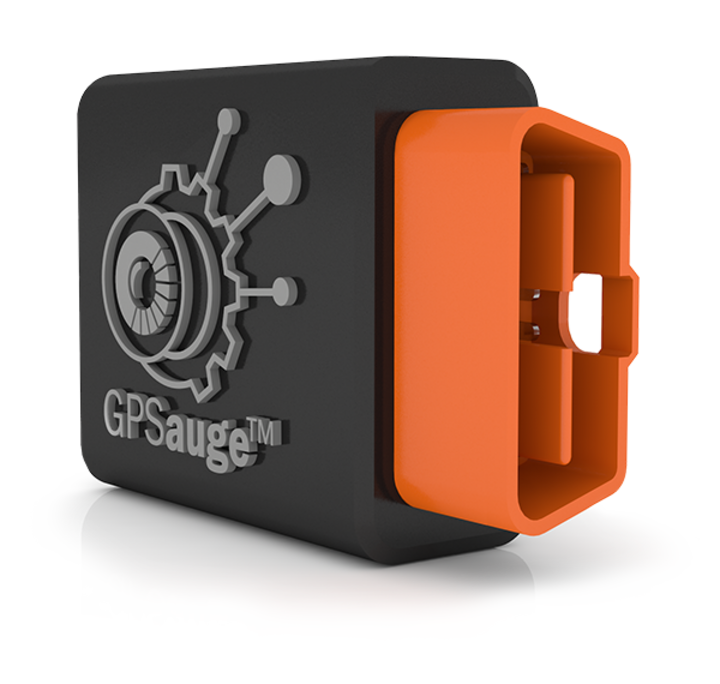
GPSauge OBD – Plug it in and get started
The GPSauge OBD doesn’t just handle tedious tasks like keeping a logbook—it’s a full-fledged telematics unit that records all relevant telemetry data, including fuel consumption, operating hours, driving and rest times, and much more...
Learn More
Trends and Developments: The collaboration between vehicle manufacturers and telematics providers is leading to continuous improvements in the systems. The integration of electric mobility and connected vehicles into telematics solutions is a current trend that further simplifies fleet management and helps reduce CO2 emissions.
Overall, digital logbooks offer a modern solution to the challenges of fleet management. They are an example of how digital technologies can simplify processes while also contributing to sustainability. Tailoring these systems to the specific needs of each fleet is the key to success in order to fully leverage their benefits.