
OBD Telematics in Fleet Management: Simplicity and Efficiency
Updated on: January 31, 2024
The integration of telematics systems into fleets is a topic often associated with complexity and effort. But can telematics also be simple and straightforward? The idea of connecting a system and being able to put it into operation immediately is an attractive option for many fleet managers, whether in passenger car telematics or truck telematics.
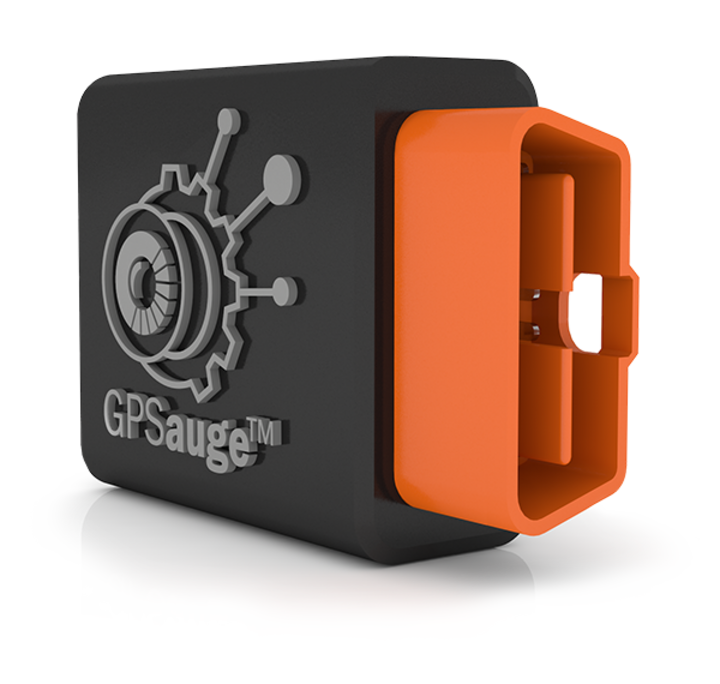
GPSauge OBD – Plug it in and get started
The GPSauge OBD records all relevant telemetry data, including fuel consumption, operating hours, driving and rest times, and much more. The recorded data is available in real time to the GPS-Explorer’s analysis functions ...
Learn more
A good example of easy integration into fleet management is an OBD dongle that connects via the vehicle’s OBD port. Using an onboard diagnostic dongle is a popular and cost-effective solution. However, there are important considerations to keep in mind. While OBD dongles offer simple plug-and-play functionality, they also carry risks. Their easy accessibility makes them a target for car thieves and can lead to data loss if handled improperly. In case of potential danger, it is recommended to relocate the OBD port’s connection point behind the dashboard. For the GPSauge OBD telematics system, for example, there is a compatible extension cable available to address this situation.
The data recorded by the GPSauge OBD (telematics hardware from GPSoverIP) is collected via a GPS receiver and a built-in SIM card and securely transmitted to an online platform or app. However, users must be careful, as an improperly installed dongle can lead to incomplete records, which may have tax implications. Therefore, it should remain plugged in at all times. To prevent the vehicle’s battery from being drained by power consumption, GPSoverIP’s telematics hardware features a special sleep mode that is configured by default in every GPSauge. Special inertial sensors support this mode to ensure the lowest possible power consumption.
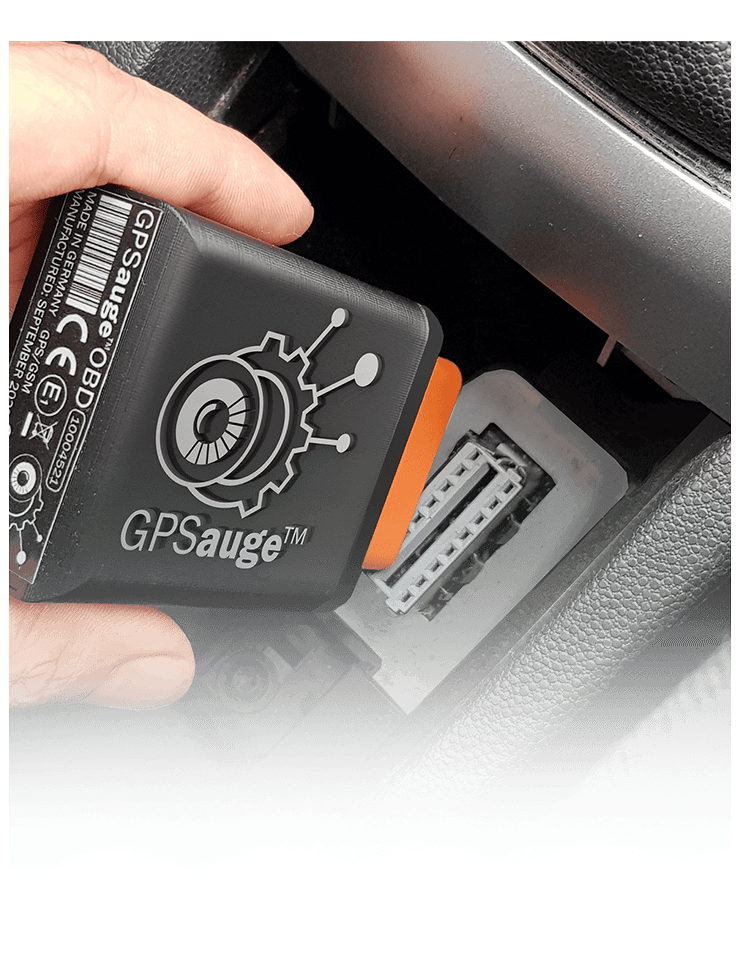
GPSauge OBD – Plug it in and get started
The GPSauge OBD plug, which offers nearly all the functions of a traditional telematics solution but without the need for installation, is a perfect example of “plug-and-play telematics.” It’s ideal for fast and professional telematics solutions and is particularly well-suited for temporary vehicle/fleet management tasks.
The name says it all when it comes to ease of use—just plug it into the OBD port and you’re good to go. The device automatically connects to the Internet, and the newly equipped vehicle immediately appears in GPS Explorer, the accompanying fleet management portal ...
Learn more
In practice, however, the decision between a permanently installed telematics box and an OBD dongle is important. A permanently installed telematics box, such as those from GPSoverIP—e.g., the GPSauge MI6—offers enhanced protection against tampering and theft and ensures that data is recorded continuously and without gaps. This is crucial because, for example, a logbook is only recognized by the tax office if it has been kept completely and properly.
In addition to basic vehicle tracking, telematics systems can collect a wide range of telemetry data. This includes fuel consumption, operating hours, driving and rest times, as well as many other relevant details. This data is available in real time, enabling prompt analysis and response. The telematics hardware—the GPSauge OBD from GPSoverIP—handles this as well.
Furthermore, telematics is more than just data collection. Communication with the driver is another essential aspect. Modern telematics solutions allow orders and messages to be transmitted directly to the driver’s cab. Additional functions, such as departure and driver’s license checks, may be required through the combination of various devices. In this case as well, the GPSauge OBD has the right solution for your fleet management. The accompanying GPSauge mobile app complements these functions and integrates with the GPSauge OBD plug (OBD telematics hardware from GPSoverIP).
Overall, telematics in fleet management enables more efficient management of vehicles and personnel and provides valuable insights into daily operations. Thanks to their diverse functions and easy integration options, telematics systems are an indispensable tool in modern fleet management.